Other
International Scouting: world jamborees, radio contacts and friendship exchanges
Scouting began as a local activity for young people and quickly became one of the largest international movements in the world. For adult leaders and families, its international side opens remarkable opportunities: meeting Scouts from other countries in person, over the radio and online.
Do Tai Chi is not affiliated with any Scouting organisation.
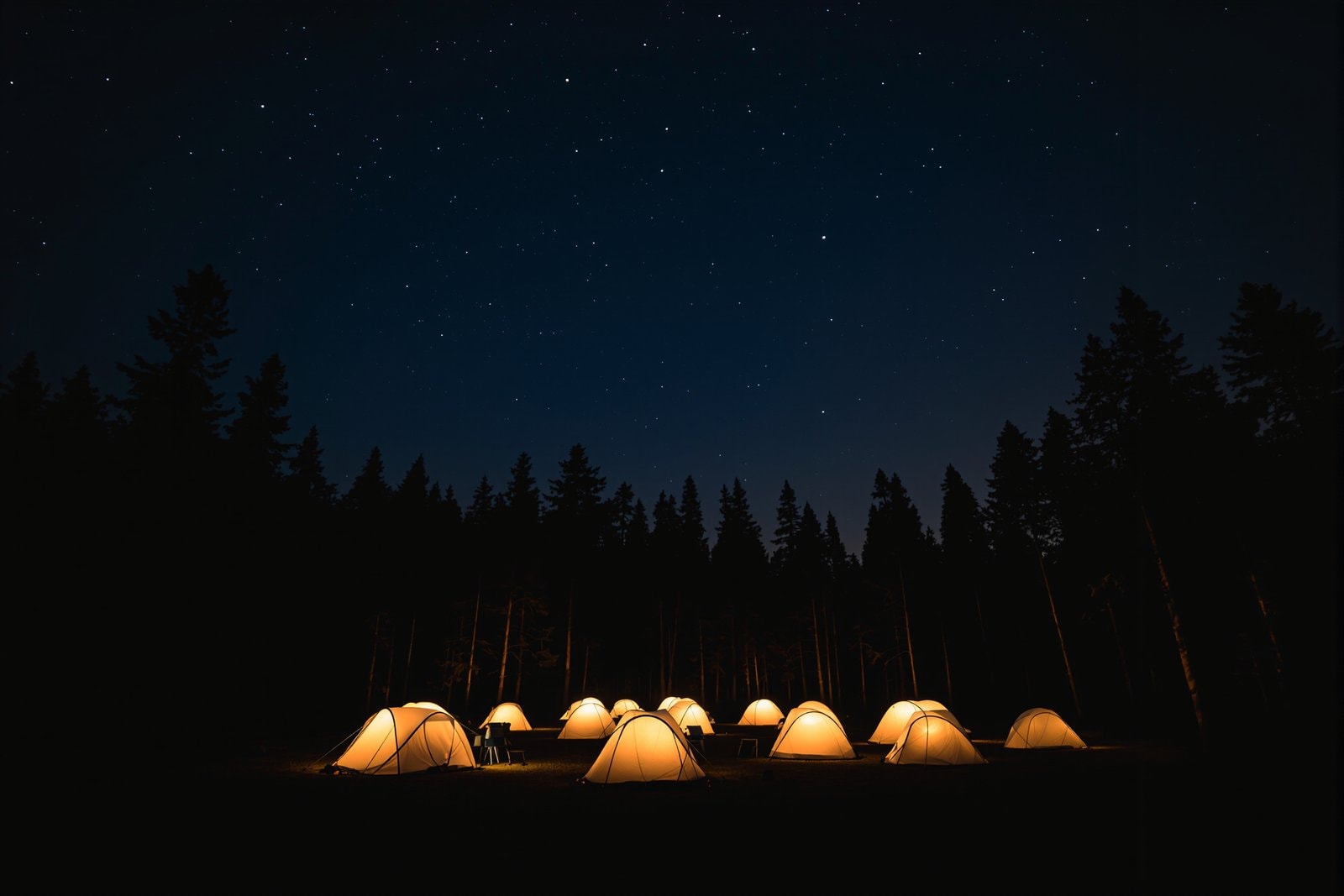
A worldwide movement
Wikipedia's article on Scouting describes it as a youth movement that became popularly established in the early twentieth century and follows the Scout method of informal education, with an emphasis on practical outdoor activities such as camping, woodcraft, hiking and sports. It notes that the movement is pluralist rather than a single organisation, made up of many local, national and international bodies, the largest international ones being the World Organization of the Scout Movement and the World Association of Girl Guides and Girl Scouts.
Wikipedia's article on the World Organization of the Scout Movement describes its members as national Scout organisations, and quotes its stated mission of contributing to the education of young people through a value system based on the Scout Promise and Law. WOSM's own site, World Scouting, describes Scouting as a global movement connected through its National Scout Organizations and lists its largest youth events, including the World Scout Jamboree and JOTA-JOTI.
World Scout Jamborees
The best-known international gathering is the World Scout Jamboree. Wikipedia's article on the World Scout Jamboree describes a gathering typically attended by tens of thousands of Scouts from around the world, organised approximately every four years in different locations. The article explains that after founding the movement, Robert Baden-Powell saw a need for such gatherings, with the general aim of fostering a worldwide brotherhood and helping young Scouts learn about other peoples and nations by meeting them directly. The same article notes that swapping badges and neckerchiefs is a familiar part of the experience.
For a young person, a jamboree can be the first time they camp alongside people from dozens of countries. For leaders and families, preparation usually starts long in advance, through national contingents organised by each country's Scouting body.
Jamboree on the Air and on the Internet
Not every international meeting requires travel. Wikipedia's article on Jamboree on the Air describes an annual international Scouting and Guiding activity in which amateur radio operators help Scouts and Guides contact their counterparts around the world by radio, and notes that a parallel Jamboree on the Internet has developed. Scouts may send confirmation cards, known as QSL cards, to the stations they reach. The article records that Scouting America recognises the event as an international Scouting event for one of its merit badges.
The combined event's own site, JOTA-JOTI, describes it as the world's largest digital and radio Scout event, promoting friendship and global citizenship. For a troop, taking part can be as simple as visiting a local amateur radio operator who has agreed to host, or joining moderated online chats.
National organisations abroad
Scouting is organised country by country, and some national organisations also serve communities living abroad. Wikipedia's article on Plast describes the largest Scouting organisation in Ukraine, founded in Lviv, with smaller divisions within the Ukrainian diaspora around the world. Organisations like this are a reminder that international Scouting is not only about travel; it is also about communities keeping language, culture and friendship alive across borders.
International exchanges and friendship programmes
Beyond the large events, Scouting has a long tradition of smaller exchanges. In general terms, these include:
- Twinning between units or districts in different countries, with letters, video calls and shared projects.
- Hosted visits, where a unit welcomes a visiting group and later travels to visit them in return.
- International camps at national or regional level that invite foreign contingents.
- International service projects carried out by older Scouts and leaders.
Exchanges work best when they are planned through a Scout's own national organisation, which can advise on safeguarding, travel and the partner organisation abroad.
Scouting America's international role
Wikipedia's article on Scouting America describes the organisation, formerly known as the Boy Scouts of America, as the largest Scouting organisation in the United States and a founding member of the World Organization of the Scout Movement. Its own site, Scouting America, sets out the organisation's mission and the values of the Scout Oath and Law, and the national organisation is the natural first stop for American families and leaders who want to take part in international events.
For adult leaders and families
- Start with your own national Scouting organisation; international participation runs through it.
- Look at the radio and online events first. They need little travel and suit every age group.
- Plan larger trips well ahead, with attention to safeguarding and cost.
- Encourage young people to learn a little about the country and language of the Scouts they will meet.