Start here
New to t'ai chi? What to expect
Walking into a first t'ai chi class can feel like arriving in the middle of a conversation. Everyone else seems to know where to stand and what comes next. Here is what usually happens, and how to make the first weeks go well.
What t'ai chi is, in brief
The National Center for Complementary and Integrative Health describes tai chi as a series of slow, gentle movements and postures, practised with a meditative state of mind and controlled breathing. Wikipedia's overview adds the other half: it is a Chinese martial art, practised in set sequences called forms, that most people now treat as exercise and relaxation. A good beginning class will give you a little of both.
A typical beginning class
Warm-ups
Classes usually open with gentle loosening: rotating the wrists, shoulders, waist, hips and ankles; easy swings of the arms; slow shifts of weight from one leg to the other. These are not strenuous. Their job is to wake up the joints and bring attention into the body.
Standing and stance work
Next comes standing. You may be asked to stand quietly with the knees soft, the spine upright and the arms held in a relaxed circle, noticing tension and letting it go. Then basic stances: the bow stance, with most weight on the front leg; the empty stance, with nearly all weight on the back leg; and the steps that move between them. Knees stay in line with the toes and never twist while the foot is planted.
The first postures
Finally, the form itself, a few movements at a time. Most traditional forms begin with a simple opening movement in which the arms rise and fall, followed by postures with evocative names such as grasping the bird's tail or single whip. Expect to learn only a handful in the first weeks, and to feel uncoordinated doing them. That is normal.
What to wear
- Loose, comfortable clothing that lets you bend your knees and raise your arms without pulling.
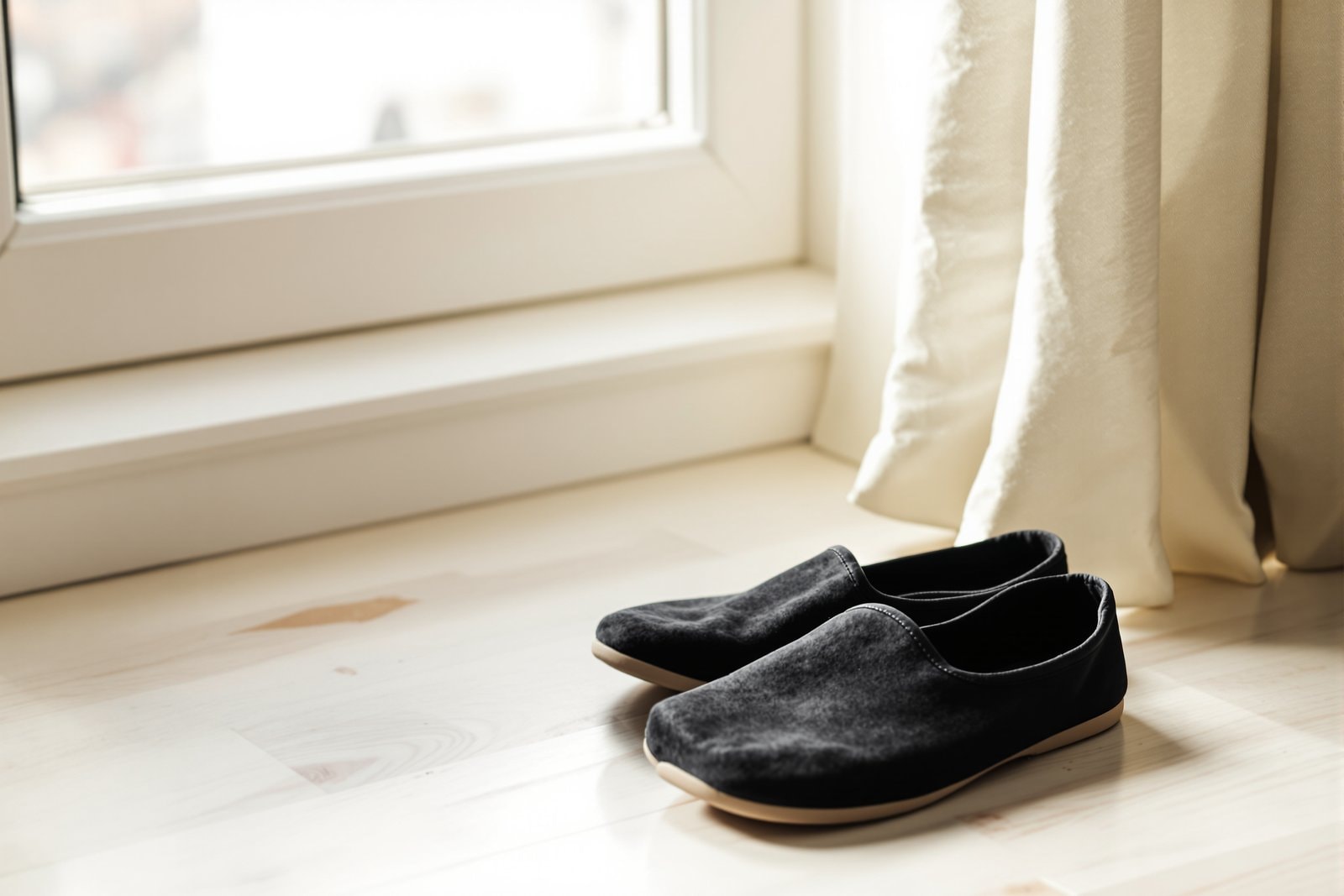
- Flat, flexible shoes with thin soles, so that you can feel the ground. Heavy running shoes with thick heels make weight shifts harder to sense. Soft cotton practice shoes are popular, but any flat, flexible shoe will do.
- Layers for outdoor classes, especially early in the morning.
Uniforms are rarely required for beginners. If a school uses one, it will tell you.
How long it takes
There is no single answer, because forms differ greatly in length. A short form might be learned in a few months of weekly classes; a traditional long form usually takes much longer, and every experienced practitioner will tell you that learning the sequence is only the beginning. The page on progressing in t'ai chi describes the stages that follow.
Practising at home
- Practise a little every day rather than a lot once a week.
- Work only on what you have been taught so far.
- Choose a clear, level space with no rugs to slip on.
- If you forget a movement, stop and go back to the last one you are sure of.
- Keep a few notes after class to remind you of corrections.
The first few weeks
Most newcomers feel stiff, uncoordinated and a little lost for the first several classes. The legs may be tired from holding bent-knee stances, and the arms may not seem to belong to the rest of the body. This passes. Stay near the front where you can see the teacher, copy the feet before worrying about the hands, and do not be embarrassed to ask for a movement to be shown again.
Questions to ask a teacher
- What style and form do you teach, and where did you learn it?
- How is the beginning course structured, and what follows it?
- How do you adapt postures for people with stiff knees, sore backs or poor balance?
- Is it possible to watch a class before joining?
- Do students practise partner exercises or weapons, and when?
The page on choosing a teacher goes further, and the frequently asked questions cover age, fitness and styles.
Before you start
T'ai chi is gentle, but it is still exercise. The NCCIH suggests that anyone who is pregnant should talk with their health care providers before starting, and that tai chi should not be used to put off seeing a provider about a medical problem. If you have a heart, joint or balance condition, speak to your provider first; and tell your teacher about anything that limits your movement, so that postures can be adjusted from the first day.